Most people who binge drink do not introduce themselves that way. They say they are social drinkers who go hard on weekends, they had a rough quarter, or they are just blowing off steam. Then the gaps start to show. A missed flight after a Thursday happy hour that turned into 2 a.m. karaoke. A handful of texts on Sunday morning asking what happened. The creeping anxiety that follows a blackout and the private promise to take a break, at least for a while. For some, that while stretches into years. For others, it lasts until the next celebration, the next loss, or the next stretch of loneliness.
Alcohol use exists along a spectrum. On one end are people who rarely drink or stop after a single beer. On the other end are those with severe alcohol use disorder whose lives revolve around obtaining and using alcohol, often despite serious health and legal consequences. Binge drinking sits in the murky middle. Not everyone who binge drinks needs formal Alcohol rehab, yet many who minimize their patterns are already living with alcohol dependence. Knowing when to move from self-correction to structured Alcohol rehabilitation can save jobs, relationships, and in some cases, lives.
What binge drinking really looks like
Binge drinking is a pattern, not a personality. Public health definitions help frame it: roughly five or more drinks on one occasion for men, or four or more for women, typically within about two hours. That benchmark aims to capture blood alcohol concentration spikes that impair judgment and coordination. In real life, it might look like the coworker who keeps it together Monday through Thursday but gets blindingly drunk at a Saturday wedding. Or the parent who holds things down all week then drinks a bottle and a half of wine after the kids are asleep.
People often argue that they cannot have a problem because they do not drink daily. That misses a critical point. The risks tied to intensity are different from those tied to frequency. High-dose episodes lead to blackouts, injuries, fights, unprotected sex, and impulsive decisions like driving after “only two drinks,” which, after the five before that, is a dangerous miscalculation. Over time, binge patterns can harden into dependence, especially when alcohol becomes the standard tool for unwinding or coping.
The sliding slope from habit to dependence
Dependence does not announce itself with a siren. It creeps in gradually through tolerance and subtle withdrawal. Tolerance means you need more alcohol to feel the same buzz. Withdrawal shows up as shakiness, sweats, anxiety, or trouble sleeping when you do not drink, especially the morning after a heavy night. Some people notice they feel “normal” only after a drink, which is the body signaling it has adapted to alcohol’s presence.
There are cognitive and emotional markers too. You might find yourself bargaining: I will only drink beer tonight, or I will stop after the third round. Then the plan slides, and by midnight you are counting backwards, changing rules on the fly. You avoid people who judge your drinking or pick bars where no one knows you. You wake up swearing off it, then “pre-game” before events because the first drinks do not hit like they used to. These switches, so normal in the moment, are early threads in a tighter knot.
Patterns that signal it is time to consider rehab
Plenty of people scale back on their own with a few sober months and better routines. Others hit a wall. Rehab becomes a rational option when your attempts at self-regulation repeatedly fail, or when drinking is no longer just an occasional embarrassment but a growing source of harm. Over the years, I have seen five recurring signposts that cut through denial better than any lecture.
- You cannot stick to your own limits, even for a few weeks, and your drinking routinely exceeds what you intend. You have had withdrawal symptoms, blackouts, or medical scares such as elevated liver enzymes, gastritis, or panic attacks linked to hangovers. Relationships, work, or school performance are slipping, or you are hiding the extent of your drinking with lies, stashes, or secretive behavior. You have driven under the influence, faced legal trouble, or engaged in risky behavior that frightens you in the light of day. Your life is organized around drinking and recovering from drinking, and it is crowding out things you used to value.
If two or more resonate, it is worth getting a professional assessment. Many treatment centers will do this by phone within 30 minutes. A primary care clinician can also screen for alcohol use disorder using brief, validated tools and can order labs to understand the medical picture.
Sorting out treatment levels without the jargon
Alcohol treatment and management of addiction is a continuum, not a single door. Think of levels of care matched to severity, risk, and support needs.
Detoxification: Medically supervised withdrawal is often the first step for those at risk of complicated withdrawal. It usually lasts 3 to 7 days. The goal is safety and comfort, not abstinence by willpower. Benzodiazepines are commonly used to prevent seizures and delirium tremens in high-risk patients. In a hospital or specialized detox unit, nurses monitor vitals, fluids, and nutrition. Detox addresses the acute crisis. It does not treat the underlying drivers of drinking, which is why standalone detox without follow-up often leads to relapse.
Residential rehab: Inpatient programs run 24 hours a day in structured settings, typically for 2 to 6 weeks, sometimes longer. They are useful when home is chaotic, triggers are intense, or co-occurring mental health conditions need focused attention. Good programs combine individual therapy, group work, psychoeducation, medical oversight, and discharge planning. The residential “bubble” creates distance from alcohol, which helps early brain recovery and gives time to practice new skills without constant exposure to old cues.
Partial hospitalization and intensive outpatient: These are step-down or step-up options that provide many hours of care each week while you sleep at home. A partial program might run five days a week for several hours each day, often including medication management, therapy, and peer support. Intensive outpatient is lighter, such as three evenings a week. These models work well for those with stable housing and a supportive household, and for people returning to daily life after residential care.
Outpatient therapy and medical management: Weekly or biweekly sessions with an addiction-informed therapist or counselor, plus regular appointments with a clinician who can manage medications. This level suits people who can stop drinking safely without detox, have fewer complications, and are motivated to change. It is also where long-term recovery habits are built.
Peer support and community: Mutual-help groups like Alcoholics Anonymous, SMART Recovery, Moderation Management, and Refuge Recovery provide ongoing connection. They are not a substitute for medical care when it is needed, but they offer a durable social scaffold that formal programs cannot always maintain.
The right starting point depends on your medical risk, your history of attempts to cut back, your environment, and your goals. A solid assessment should ask about all of that and explain why a specific setting fits you.
Withdrawal can be dangerous, and that changes the calculus
The first 72 hours after you stop heavy drinking can be unstable. Shakes, sweating, nausea, insomnia, and anxiety are common. For a subset of people, complications can escalate into seizures or delirium tremens, a medical emergency characterized by confusion, fever, and hallucinations. Risk climbs with years of heavy use, prior complicated withdrawals, older age, certain medical conditions, and concurrent sedative use.
If you have ever had a withdrawal seizure, severe tremors, or hallucinations, or if you drink heavily daily, do not attempt to quit cold at home. Medically supervised detox is the safer path. Even for those with moderate risk, supervised tapering and medications can make the process far more tolerable, which reduces early relapse driven by sheer discomfort.
Medications are underused and often essential
Medication can stabilize early recovery and reduce relapse risk, yet many people never hear about these options. A quick summary based on common use in Alcohol treatment and management of addiction:
Naltrexone: Available as a daily pill or a monthly injection. It blunts the rewarding surge from alcohol, which helps with craving and heavy-drinking days. It can be used whether your goal is moderation or abstinence. It is generally well tolerated, though those with acute hepatitis or liver failure may not be candidates.
Acamprosate: Taken three times daily, it supports brain chemistry recovery after chronic alcohol exposure and is most effective for maintaining abstinence once you have stopped drinking. It is eliminated by the kidneys, which helps when liver issues are a concern.
Disulfiram: Creates an unpleasant reaction when alcohol is consumed, acting as a deterrent. It requires commitment and often supervision to be effective. It can be useful for specific, time-bound situations, such as guarding against lapses during early months.
Topiramate and gabapentin: Off-label options with evidence for reducing drinking or supporting sleep and anxiety in early recovery. These require individualized consideration due to side effects.
No medication substitutes for behavioral change, but the combination of pharmacotherapy and therapy consistently outperforms either alone. If a program dismisses medication out of hand, ask why. Evidence-based Alcohol rehab integrates medical and psychological tools.
Therapy is not one-size-fits-all
Therapists sometimes get portrayed as advice dispensers. The good ones are closer to coaches and collaborators. They help you unpack patterns, rehearse new responses, and build a meaningful life that makes sobriety or moderation sustainable. Three approaches come up frequently:
Motivational interviewing: A conversational style focused on exploring ambivalence and strengthening your own reasons for change. It respects autonomy, which matters if you are tired of being told what to do.
Cognitive behavioral therapy: Practical work on thoughts, cues, and behaviors. You map the chain that runs from “stressful meeting” to “first drink” and place new links in between. Skills include urge surfing, stimulus control, and planning for high-risk situations.
Trauma-informed therapy: Many people drink to numb symptoms of trauma, anxiety, or depression. Ignoring those drivers sets you up for relapse. Integrated care that treats co-occurring conditions is often the difference between a short break and durable recovery.
Family or couples sessions can help when the home dynamic has become tense, reactive, or permissive in ways that support drinking. Involving loved ones safely and thoughtfully can reinforce progress and defuse patterns that sneak alcohol back in through the side door.
When moderation goals make sense, and when they do not
Not everyone needs lifelong abstinence. For individuals without withdrawal risk, with limited harm history, and strong supports, a moderation trial can be a reasonable step under clinical guidance. The plan is specific: how many drinks, on which days, and with what boundaries around triggering contexts. Medications like naltrexone can assist, as can breathalyzers and honest tracking.
That said, certain histories push the balance toward abstinence. If you have had repeated failed moderation attempts, severe binges with dangerous consequences, or compulsive patterns that accelerate quickly once you start drinking, the clean line of abstinence removes decision fatigue and reduces exposure to high-risk windows. Many people who fought abstinence for years describe relief when the debate ends.
Practical steps to prepare for rehab
Going to Alcohol rehab is not an admission of defeat. It is an investment in a solvable problem. Preparation removes friction and keeps the focus on the work.
- Arrange leave proactively. Use medical leave protections where available, and be sparing with details. “Medical treatment” is accurate and sufficient with most employers and schools. Handle logistics. Line up childcare, pet care, bill autopay, and any prescriptions you will need immediately before or after the program. Triage your digital environment. Remove delivery apps that bring alcohol to your door. Unfollow accounts that glamorize heavy drinking. Tell two or three trusted people your plan. Pack like you are staying with a strict friend. Comfortable clothes, a few books, a journal, a simple watch. Leave valuables and complicated tech at home if rules prohibit them. Plan for after. Before you arrive, ask about step-down care, therapy referrals, and medication continuity. Book the first two weeks of follow-up appointments so you do not fall through the gap after discharge.
What strong programs get right
Not all rehabs are equal. Marketing can be glossy, but outcomes hinge on less glamorous details. In my experience, look for programs that blend structure with personalization. A good intake digs into your history, medical risks, mental health, social supports, and goals. The schedule should include evidence-based therapies, time to rest and decompress, and practical skills training that fits real life, promontwellness.com alcohol rehab near me not monastery life.
Medical oversight matters. Withdrawal risks, sleep disruption, and mood lability are common in early weeks. On-site clinicians who can adjust medications promptly often prevent crises that would otherwise trigger discharge or relapse. Nutrition and physical activity are not afterthoughts either. Many people arrive depleted. Regular meals, hydration, and gradual exercise make a visible difference in cognition and mood within days.
Quality programs also bring families in thoughtfully, offer options for faith-based or secular tracks, and respect cultural context. Transparency about costs and insurance, no pressure sales tactics, and realistic promises are green flags. Anyone offering guaranteed cures or one-size-fits-all methods is overreaching.
Aftercare is the fulcrum
The easiest stretch of sobriety is often inside the structured environment. The test begins at home, in the grocery aisle where you always bought wine, at the after-work drinks you used to depend on, in the boredom of a rainy Saturday. Aftercare is the bridge over that gap. It typically includes weekly therapy, medication follow-up, a peer group, and specific plans for handling triggers.
Expect some turbulence. Cravings can spike out of nowhere. A bad day can feel like a sign you are backsliding when it is simply a bad day. Build routines that shrink the space where impulsive decisions live: early dinners, evening workouts, regular calls with supportive friends, time-limited social events that used to run late. Track wins. A month without a hangover is more than a neat streak. It is a restored morning commute, a conversation remembered, a string of decisions made with a clear head.
Relapse does not erase progress, but it does demand action. If you slip, shorten the feedback loop. Tell a clinician or sponsor within 24 hours. Review what happened without shame or catastrophe thinking. Adjust medications if cravings are strong. Increase meeting frequency or book a few extra therapy sessions. For many, one or two swift course corrections keep a stumble from becoming a spiral.
Cost, insurance, and realistic planning
Money worries keep people from seeking care. There is no point pretending otherwise. Residential stays range widely, from covered nonprofit programs to private centers charging thousands per week. Insurance often covers detox and at least part of outpatient or residential care when criteria are met, but prior authorization and network constraints complicate access. Persistence helps. So does partnering with a program that has a dedicated benefits team.
If residential care is out of reach or not clinically necessary, do not discount the power of a well-constructed outpatient plan that includes medication, therapy, and community. Many people build excellent recoveries that way. Telehealth expanded access to addiction medicine and therapy, which helps those in rural areas or with limited time. Sliding-scale clinics exist in most cities, and some nonprofits provide grants for short-term care.
The social layer: shifting identity without isolation
One of the hardest adjustments is social. Drinking is woven into celebrations, grief rituals, dates, networking, and weekends. Saying no can feel like stepping outside the circle. It helps to replace, not just remove. Rotate in people and places where alcohol is optional or absent. Host the breakfast instead of the dinner. Suggest a hike instead of a bar. Invite a friend to a boxing class or a movie. When events involve alcohol, arrive with an exit plan and a nonalcoholic drink in hand.
Language matters too. You do not need to declare yourself to everyone. A simple I am not drinking tonight or I feel better without it is enough. If someone pushes, that is useful data about the relationship. Many people are quietly relieved to have a companion who is taking a break. You may find your circle shifts, not shrinks.
The first quiet signs recovery is working
Big milestones attract attention, but the early wins are often small and private. Your sleep settles into deeper cycles. Sunday morning feels like a morning again. Anxiety hums less loudly. You remember entire conversations and subtle jokes. Your fridge stays stocked because you make the grocery run you used to procrastinate. You call your mother back. You read more than three pages at night without re-reading the same sentence.
Physically, blood pressure and resting heart rate improve over weeks to months. Lab tests like liver enzymes trend down. The face that looked puffy in photos sharpens. Mentally, you regain time that was swallowed by planning, drinking, and recovering. That reclaimed time is the raw material for hobbies, relationships, and ambitions you may have set aside.
When to act now
If you are reading this after another weekend that ran off the rails, if you promised yourself a dozen times to cut back and it only sticks for a few days, if mornings bring shakes or dread, that is enough reason to talk to someone. You do not need to hit bottom, and you do not need a perfect plan. You need the next right step: a call to your primary care clinician, a consult with an addiction specialist, an intake at a reputable program, a friend who knows you are serious this time.

Recovery is not a single heroic leap. It is a series of ordinary choices stacked together. People pictured as lost causes return to stable, contented lives every day by stacking those choices and accepting help. Some go to residential Alcohol rehab, others build a sturdy outpatient routine with medication and therapy. They choose new routines, forgive stumbles, and keep going.
If alcohol has started to decide things you want to decide for yourself, that is your signal. The window for change is open the moment you notice it.
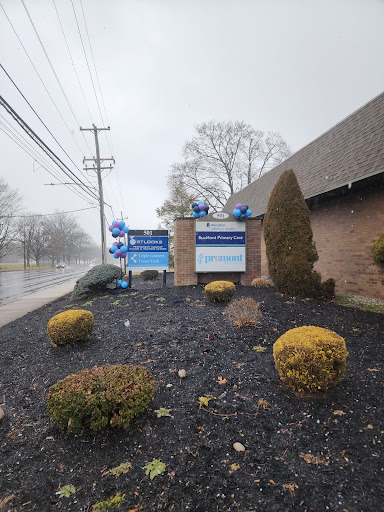
Promont Wellness
Address: 501 Street Rd, Suite 100, Southampton, PA 18966Phone: 215-392-4443
Website: https://promontwellness.com/
Hours:
Monday: Open 24 hours
Tuesday: Open 24 hours
Wednesday: Open 24 hours
Thursday: Open 24 hours
Friday: Open 24 hours
Saturday: Open 24 hours
Sunday: Open 24 hours
Open-location code (plus code): 5XG2+VV Southampton, Upper Southampton Township, PA
Map/listing URL: https://maps.app.goo.gl/Bp8NRhkmTf9gHJEc7
Socials:
https://www.facebook.com/PromontWellness/
https://www.instagram.com/promontwellness/
Promont Wellness provides outpatient mental health and addiction treatment in Southampton, serving individuals who need structured support while continuing with daily life responsibilities.
The center offers multiple levels of care, including partial hospitalization, intensive outpatient treatment, outpatient services, aftercare planning, and virtual treatment options for eligible clients.
Clients in Southampton and the surrounding Bucks County area can access support for mental health concerns, substance use disorders, and co-occurring conditions in one setting.
Promont Wellness emphasizes individualized treatment planning, trauma-informed care, and a client-focused approach designed to support long-term recovery and day-to-day stability.
The practice serves Southampton as well as nearby communities across Bucks County and other parts of southeastern Pennsylvania, making it a practical option for local and regional care access.
People looking for structured outpatient support can contact the center directly at 215-392-4443 or visit https://promontwellness.com/ to learn more about admissions and treatment options.
For residents comparing providers in the area, the business also maintains a public Google Business Profile link that can help with directions and listing visibility before a first visit.
Promont Wellness is positioned as a local option for people who want evidence-based behavioral health care in a professional office setting in Southampton.
Popular Questions About Promont Wellness
What does Promont Wellness do?
Promont Wellness is an outpatient behavioral health center in Southampton, Pennsylvania that provides mental health and substance use treatment, including support for co-occurring conditions.
What levels of care are available at Promont Wellness?
The center offers partial hospitalization (PHP), intensive outpatient programming (IOP), outpatient treatment, aftercare planning, and virtual treatment options.
Does Promont Wellness provide mental health treatment?
Yes. The practice publishes mental health treatment information for concerns such as anxiety, depression, bipolar disorder, schizophrenia, trauma, and PTSD.
Does Promont Wellness help with addiction treatment?
Yes. The website describes support for alcohol and drug addiction treatment along with recovery-focused outpatient services.
What therapies are mentioned on the website?
Promont Wellness lists therapy options such as cognitive behavioral therapy, dialectical behavior therapy, individual therapy, group therapy, family therapy, psychotherapy, relapse prevention, and TMS therapy.
Where is Promont Wellness located?
Promont Wellness is located at 501 Street Rd, Suite 100, Southampton, PA 18966.
What are the published business hours?
The contact page lists Monday through Friday from 8:00 AM to 9:00 PM, with Saturday and Sunday closed.
Who may find Promont Wellness useful?
People looking for outpatient mental health care, addiction treatment, dual-diagnosis support, or step-down programming after a higher level of care may find the center relevant.
Does Promont Wellness serve areas beyond Southampton?
Yes. The website includes service-area pages for Bucks County communities and nearby parts of Pennsylvania and New Jersey.
How can I contact Promont Wellness?
Phone: 215-392-4443
Facebook: https://www.facebook.com/PromontWellness/
Instagram: https://www.instagram.com/promontwellness/
Website: https://promontwellness.com/
Landmarks Near Southampton, PA
Tamanend Park – A well-known Upper Southampton park at 1255 Second Street Pike with trails, open space, and community amenities that many local residents recognize immediately.Second Street Pike – One of the main commercial corridors in Southampton and a practical reference point for local driving directions and nearby businesses.
Street Road – A major east-west route through the area and one of the clearest roadway references for visitors heading to appointments in Southampton.
Old School Meetinghouse – A historic Southampton landmark associated with the community’s early history and often used as a local point of reference.
Churchville Park – A large nearby park area often recognized by residents in the broader Southampton and Bucks County area.
Northampton Municipal Park – Another familiar recreational landmark in the surrounding area that can help orient visitors traveling from nearby neighborhoods.
Southampton Shopping Center – A recognizable retail area along the local commercial corridor that many residents use as a simple directional reference.
Hampton Square Shopping Center – A nearby shopping destination that can help users identify the broader Southampton business district.
Upper Southampton Township municipal and recreation areas – Useful local references for users searching for services in the township rather than by ZIP code alone.
Bucks County service area references – For patients traveling from neighboring communities, Southampton serves as a convenient treatment hub within the larger Bucks County region.
If you are searching for outpatient mental health or addiction treatment near these Southampton landmarks, call 215-392-4443 or visit https://promontwellness.com/ for current program information and directions.